
Mini Split Buying Guide: Features That Matter Most
When considering a mini split system for heating and cooling, understanding the key features that matter most can help you make an informed decision. Mini splits are popular for their efficiency, flexibility, and ease of installation compared to traditional HVAC systems. One of the primary factors to evaluate is the system’s capacity, which should match the size of the space you intend to condition. Proper sizing ensures optimal performance without wasting energy or causing discomfort. A unit that is too small will struggle to maintain temperature, while one too large may cycle on and off frequently, reducing efficiency.
Energy efficiency ratings are another critical aspect. Look for models with high Seasonal Energy Efficiency Ratio (SEER) and Heating Seasonal Performance Factor (HSPF) values. These ratings indicate how well a unit performs in cooling and heating modes respectively, helping reduce utility bills over time. Many modern mini splits come with inverter technology that adjusts compressor speed based on demand rather than operating at full power constantly. This feature contributes significantly to energy savings and quieter operation.
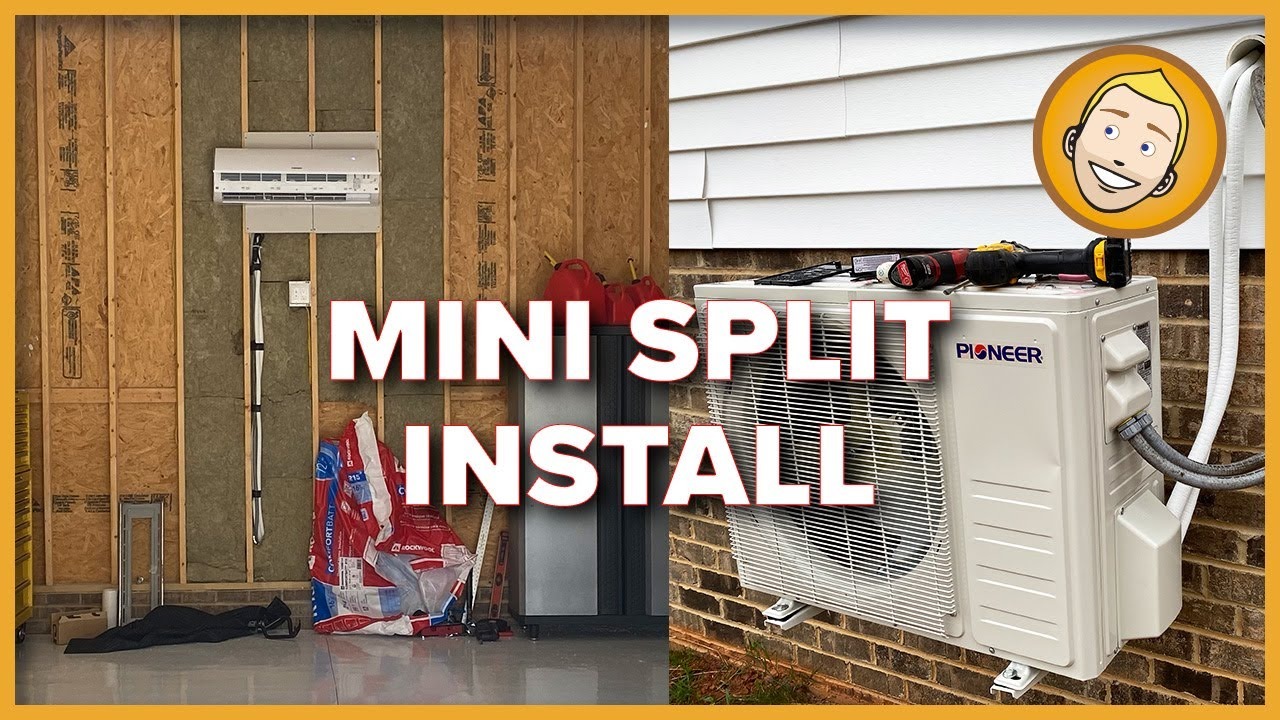
Installation considerations also influence your choice of Mini Split system. Most units consist of an outdoor condenser connected by refrigerant lines to one or more indoor air handlers mounted on walls or ceilings. The number of zones supported matters if you want independent temperature control across multiple rooms or areas within your home or office. Single-zone systems serve one room effectively but multi-zone options provide greater flexibility by allowing different settings for each zone.
Another important feature involves filtration capabilities within indoor units. High-quality filters improve indoor air quality by trapping dust, allergens, and other particles while some advanced models include ionizers or UV lights for enhanced purification benefits-an advantage especially relevant in households with allergy sufferers.
Noise levels during operation vary between brands and models; quieter units contribute positively to comfort since these systems often run continuously throughout the day or night depending on climate needs.
Controls play a significant role in user experience as well; many mini splits offer remote controls along with smartphone app integration enabling scheduling and adjustments from anywhere, adding convenience particularly when managing multiple zones remotely.
Warranty coverage reflects manufacturer confidence in product durability; longer warranties typically indicate higher reliability but always review terms carefully including what parts are covered and labor conditions.
Ultimately, prioritizing these features-correct sizing, energy efficiency ratings, zoning capabilities, filtration quality, noise levels, ease of control options, and warranty details-will guide you toward selecting a mini split system best suited for your specific needs while maximizing comfort and cost-effectiveness throughout its lifespan.
